
How Long Does Waterproofing Take?
A leaking bathroom, roof slab, balcony or basement does not just need the right treatment. It also needs the right timing. Some waterproofing methods can take several days and disturb normal use of the space. Others can be completed in hours with very little mess.
The time needed depends on the surface condition, moisture level, access, weather, curing time and whether old tiles or finishes must be removed. Still, each method has a typical work pattern. The biggest difference is often between traditional membrane coating and non-hacking options like PU injection and nano coating.

A Quick Comparison
Here is the simple time and downtime comparison before looking at each method in more detail.
Method | Typical treatment time | Typical downtime | Best suited for |
Membrane coating | 7 to 10 days or more | Moderate to high | Roofs, structures with damaged concrete or debonded tiles |
PU injection | A few hours to 1 day | Low to moderate | Active cracks, seepage paths |
Nano coating | A few hours to 1 day | Low | Tile surfaces, surfaces that want to retain original look, preventive sealing |
These are general ranges. A small bathroom wall may take less time than a large roof slab. A wet basement crack may need more monitoring than a hairline seepage point. The main question is not only, “How long will the contractor be here?” It is also, “How long before the area can be used again?”
The Longest: Membrane Coating
Membrane coating is the more traditional method. It creates a continuous barrier over the surface, usually with liquid-applied or sheet-based materials. It is often used on roof slabs, balconies, bathrooms and other areas where water sits or flows across a surface.
The work usually includes several steps:
Cleaning and surface preparation
Removing loose material, dust, grease or old coating
Hacking existing tiles
Repairing cracks or weak spots
Waiting for curing or drying
Flood testing or final inspection in some cases
Reinstating tiles, screed or finishes
That sequence explains why the job often takes 7 to 10 days, and sometimes longer. The area may also be noisy, dusty and unavailable during the work.
For a bathroom, downtime can mean no shower use for several days. For a balcony or roof, foot traffic may need to stop until the coating cures properly. If rain interrupts exterior work, the schedule can stretch further because the substrate must be dry enough before application.
Membrane coating is slower, but it has one clear advantage. When done correctly on a properly prepared surface, it can create broad protection across the full area, not just at one leak point.

PU Injection: Targets the Leak Path
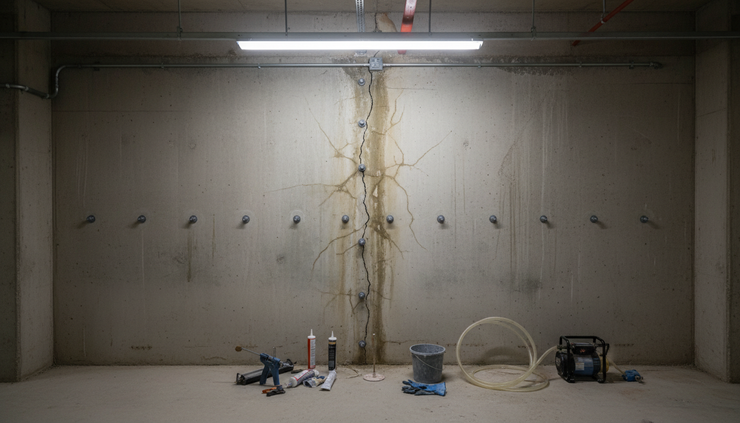
PU injection is commonly used for cracks water seepage paths. PU stands for polyurethane. The material is injected into the affected area, where it expands and seals voids or cracks that allow water to pass through.
For many leak cases, PU injection can be completed in a few hours to one day. The process usually involves drilling small holes along the crack or seepage line, installing injection ports, pumping in the PU material and cleaning the surface after the reaction.
The downtime is usually much lower than membrane coating because the method is targeted. It does not normally require removing large areas of tiles or finishes. It can be especially useful for:
Basement wall cracks
Concrete joint seepage
Retaining wall water ingress
Areas where full surface access is not practical
PU injection is not always the final answer. If water is entering from a wide failed surface, treating only one crack may not solve the root cause. It works best when the leak path is clear and localized.
The main downtime is the work period itself, followed by a short observation period. In some cases, the treated area can return to normal use on the same day. If drilling happens indoors, there may be minor dust and noise, but it is far less disruptive than hacking out a full floor or wall finish.
Nano Coating: Low Downtime
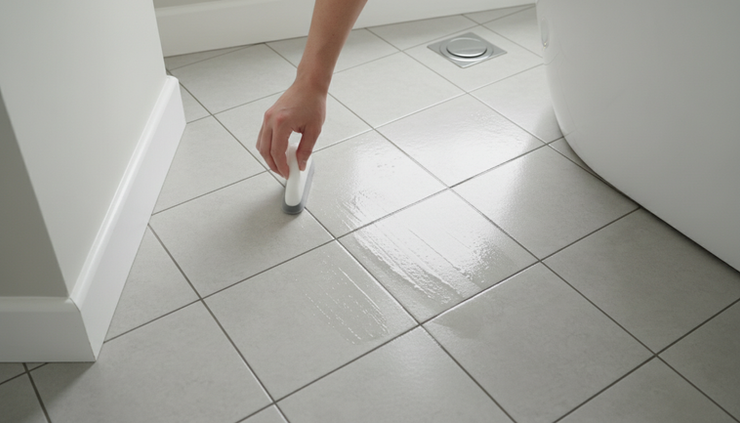
Nano coating is often chosen when property owners or contractors want a cleaner, quicker option. It is usually applied over existing surfaces such as tiles, grout lines, concrete or stone, depending on the product and the condition of the area.
A typical nano coating job may take a few hours to one day. The surface must be cleaned, dried as much as practical and prepared so the coating can bond. The product is then applied to create water-repellent protection at the surface level.
This is where no hacking, nano waterproof treatments attract attention. They can reduce mess, noise and downtime because they do not usually require removing tiles or breaking up the floor. For occupied homes, apartments and commercial areas, that can be a major advantage.
Nano coating can be useful for:
Bathroom floors and walls
Balconies with surface-level water absorption
Grout lines that need added resistance
Preventive sealing before leaks become serious
Areas where fast return to use matters
The limitation is depth. Nano coating works by protecting the surface. If the leak comes from a structural crack, hidden pipe issue or failed substrate below the tiles, it may not be enough on its own. It depends heavily on surface condition and correct diagnosis.
Downtime is usually short. Many areas can be left to cure overnight.
Other Factors
The method matters, but site conditions can change the schedule. The same treatment may take half a day in one property and two days in another.
The most common time factors include:
Surface moisture
Many coatings need a reasonably dry surface to bond well. If water is actively seeping, the contractor may need to stop the water source or use another method first.
Existing damage
Loose tiles, hollow screed, mold, cracks and crumbling concrete all add preparation time. Skipping prep can shorten the job, but it often weakens the result.
Area size
A small shower corner is very different from a full roof slab. Larger areas also need more curing time between coats or sections.
Weather
Exterior membrane coating is sensitive to rain, surface temperature and drying conditions. Indoor PU injection is less affected by weather.
Access
Tight spaces, high walls, ceiling work and occupied rooms all slow down setup and cleanup.
Testing requirements
Some jobs need water ponding tests, moisture checks or follow-up observation. That adds time, but it also reduces the risk of guessing.
Which Method Has The Least Downtime?
If the goal is the shortest disruption, nano coating and PU injection usually win. They are often completed faster and avoid major removal work.
If the goal is full-area protection, membrane coating may be worth the extra time. It is more disruptive, but it can be the better choice when the inner structures have failed.

The fastest method is not always the best method. A quick surface treatment will not fix a deep crack, and an injection will not protect a whole failed slab. The best timeline comes from diagnosing the water source first, then choosing the method that solves the problem with the least disruption.


Comments