
Condensation or Water Leak?
A damp wall, a wet window sill, or a small puddle under a pipe can make anyone uneasy. The hard part is knowing whether you are seeing harmless moisture from the air or the first sign of a plumbing, roof, or appliance leak.
Both problems can stain paint, encourage mould growth, and damage wood or drywall if ignored. The good news is that they often leave different clues. With a few simple checks, you can usually narrow down the source before deciding whether to dry things out yourself or call a professional.
Start With Where Moisture Appears
Location is one of the best first clues.
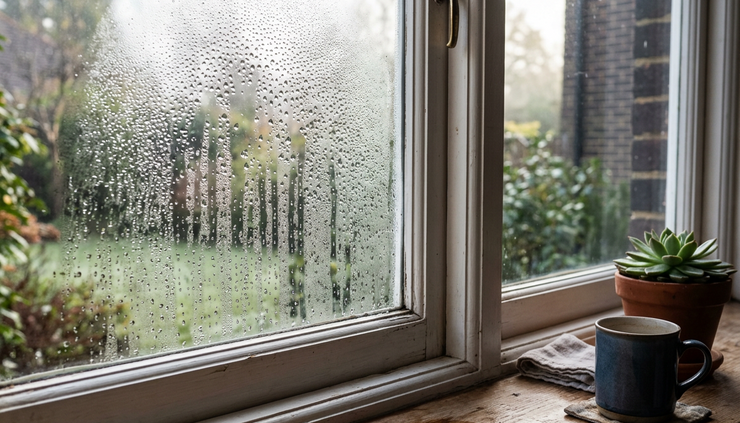
Condensation forms when warm, moist indoor air meets a cooler surface. That is why it often shows up on:
Window glass and metal frames
Bathroom mirrors and walls after showers
Cold water pipes
Basement walls
Exterior walls with poor insulation
A water leak usually follows a path from a source. It may appear below, beside, or downhill from the actual problem. Look for moisture near:
Plumbing fixtures
Water heaters
Washing machines
Dishwashers
Refrigerators with ice makers
Ceilings under bathrooms
Roof valleys, skylights, or vents
If the damp spot is on a cold surface and looks widespread, indoor moisture is more likely. If it is localized, spreading, or connected to a fixture, pipe, roof line, or appliance, treat it as a possible leak.
Check the Timing and Pattern
Moisture that appears and disappears on a schedule can tell you a lot.
Condensation often shows up during certain conditions. You may notice it:
On cold mornings
After long showers
While cooking without ventilation
When a humidifier runs too often
In rooms with closed doors and poor airflow
It may dry up during the day as surfaces warm and air moves around.
Leaks tend to follow a different pattern. A leak may appear after:
Rain
Someone takes a bath or shower upstairs
A toilet, sink, or appliance runs
The HVAC system cycles
A leak may also stay damp all day, grow larger, or return in the exact same spot even after you wipe it dry.
One useful test is to dry the area completely, then watch it for several hours. If moisture returns only when the room is steamy or cold, humid air is the likely cause. If it returns after water use or rain, investigate for leakage.
Look at the Shape and Surface Damage
Moisture marks have patterns.
Condensation often looks like a thin film, beads, or small droplets spread across a surface. On walls, it may create light staining, mildew spots, or peeling paint in areas with poor airflow, such as behind furniture or inside closets.
Leaks are usually more irregular. They may cause:
Brown or yellow ceiling stains
Bubbling paint
Sagging drywall
Soft spots in flooring
Warped trim
A musty smell in one specific area
Drips, trails, or rings that expand over time
A single circular ceiling stain is rarely caused by normal indoor humidity. That kind of mark usually means water traveled from above and soaked into drywall.
By contrast, moisture on several windows at once often points to high indoor humidity, especially if the glass is cold and there are no nearby plumbing lines.
Simple Tests
You do not need special tools to make a smart first assessment. Start with basic, safe checks.
Wipe and wait
Dry the area with a towel. If droplets quickly reform on a cold surface, the issue is likely air moisture. If water seeps back from a crack, joint, or hidden edge, suspect a leak.
Tape on plastic film
For basement walls or concrete, tape a small square of clear plastic to the surface. Seal all edges and leave it in place for a day.
Moisture on the room side of the plastic suggests humid indoor air.
Moisture behind the plastic suggests water coming through the wall or floor.
This test is not perfect, but it gives a helpful clue.
Inspect nearby fixtures
Look under sinks, around toilets, behind washing machines, and near water heaters. Feel for dampness around supply lines, shutoff valves, drain traps, and flooring.
A dry pipe with droplets on the outside may be sweating from cold water and humid air. A wet joint, corrosion, mineral buildup, or water trail below a fitting points more toward leakage.

Use Humidity and Ventilation Clues
Indoor humidity plays a major role in moisture problems. In many homes, keeping relative humidity around 30% to 50% helps reduce condensation while still keeping indoor air comfortable. A small hygrometer can show whether a room runs too humid.
Common causes of high indoor humidity include:
Long showers without an exhaust fan
Unvented clothes dryers
Cooking without a range hood
Too many houseplants in a small space
Damp basements or crawl spaces
Humidifiers set too high
Poor bathroom ventilation
To reduce moisture, run bath fans during showers and for a short time afterward. Use kitchen exhaust while cooking. Keep furniture slightly away from cold exterior walls so air can move. Open interior doors when possible, and make sure dryer vents exhaust outdoors.
If only one room has recurring moisture, look for a local ventilation issue. If the whole house has wet windows during cold weather, indoor humidity may be too high for the outdoor temperature.
Know When to Act Quickly
Some signs call for fast action. Do not wait if you see:
Active dripping
A ceiling stain that grows
Sagging drywall
Water near electrical outlets or fixtures
Wet flooring around a toilet, tub, or appliance
A sudden musty odor
Mould growth that keeps returning
A rising water bill with no clear reason
Shut off the nearest water supply valve if you can do so safely. For major plumbing problems, use the main shutoff valve. If water is near electrical components, avoid touching the area and call a qualified professional.
For suspected roof leaks, take photos of the stain and note when it appears. A roofer or contractor can use that information to trace the path from the roof to the interior damage.
Prevent Both Problems Before They Spread
Whether the issue is indoor moisture or a leak, early attention saves repairs.
For condensation control, focus on air and surface temperature. Improve ventilation, manage humidity, insulate cold surfaces, and seal air leaks around windows, attic hatches, and exterior penetrations.
For leak prevention, inspect supply hoses and shutoff valves at least once or twice a year. Replace brittle washing machine hoses, watch for loose toilet bases, and check caulking around tubs and showers. After heavy rain, look at ceilings for new stains.
The key is to treat moisture as a clue. Wipe it up, note when it returns, and connect it to weather, water use, temperature, or indoor humidity. A pattern will usually emerge.
A wet surface does not always mean disaster, but it should never be ignored. Moisture that forms evenly on cold glass is very different from water staining that spreads across drywall. Learn the difference, fix small causes early, and call for help when the signs point to hidden water damage.


Comments